Intermittent Fasting: A Practical Beginner’s Guide for Healthy Weight Management
A friendly, balanced guide to intermittent fasting methods, benefits, safety tips, and what to eat during your eating window.
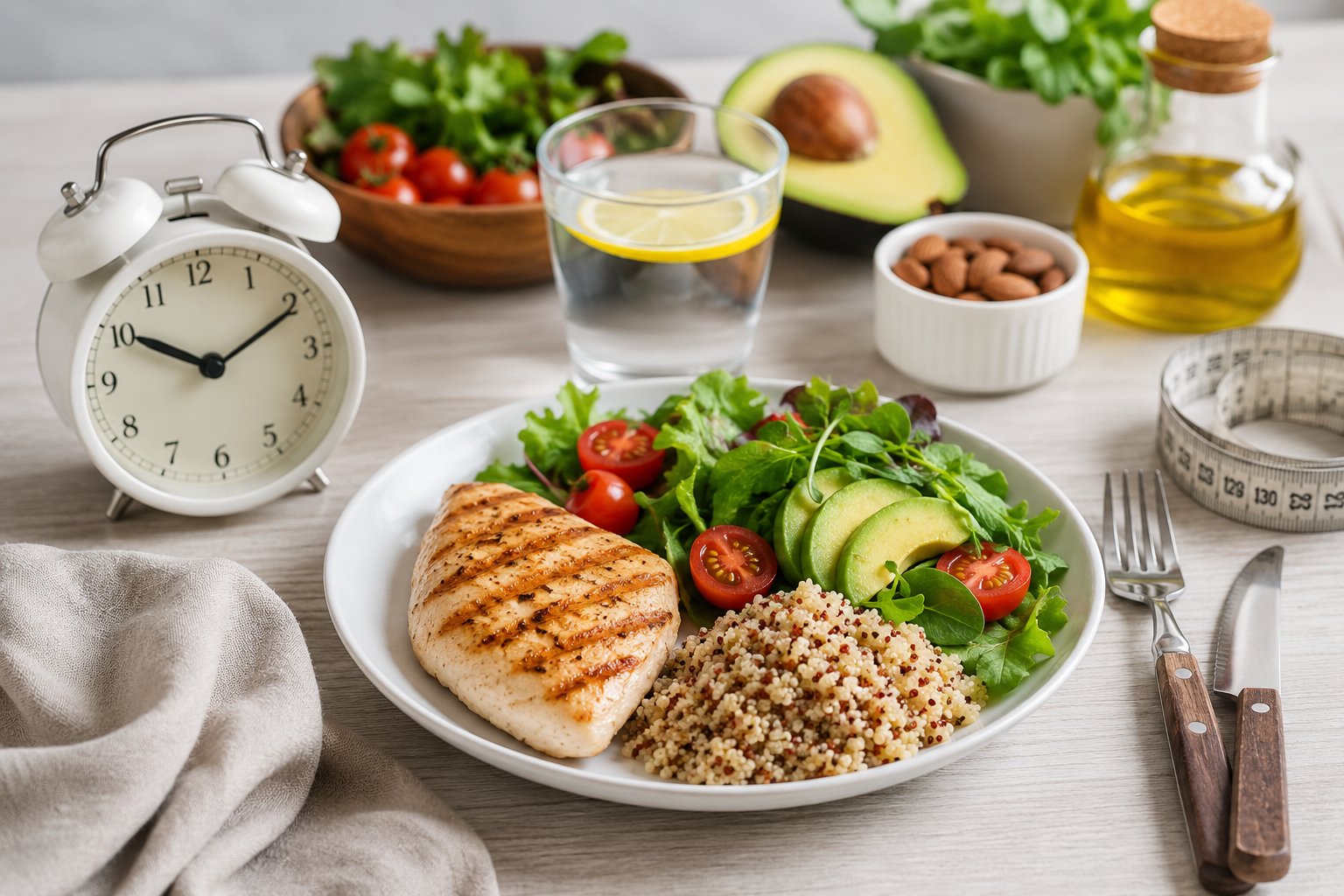
Intermittent Fasting: A Practical Beginner’s Guide for Healthy Weight Management
What Is Intermittent Fasting?
Intermittent fasting is an eating pattern that focuses on when you eat, not only what you eat. Instead of following a strict food list, you alternate between periods of eating and periods of fasting. Popular examples include eating within an 8-hour window and fasting for 16 hours, or eating normally most days and reducing intake on selected days.
For many people, intermittent fasting feels simple because it removes the need to plan several meals every day. However, it is not magic. Your food quality, portion sizes, sleep, hydration, stress, and activity level still matter. Health organizations describe intermittent fasting as safe for many adults, but not suitable for everyone.
How Intermittent Fasting Works
During a fasting period, your body continues to use energy. After several hours without food, insulin levels may become lower, and the body can start using stored energy more easily. This is one reason intermittent fasting may help some people reduce body fat over time.
The biggest practical benefit is often simpler calorie control. When your eating window is shorter, you may naturally eat fewer snacks and late-night meals. Still, research suggests that intermittent fasting is not always better than regular calorie control when total calories are similar. In other words, the best approach is the one you can follow consistently without feeling deprived.
Common Intermittent Fasting Methods
The 16:8 method is one of the most popular options. You fast for 16 hours and eat during an 8-hour window, such as 12 p.m. to 8 p.m. This can be easier for people who naturally skip breakfast or prefer eating later in the day.
The 14:10 method is a gentler version. You fast for 14 hours and eat during 10 hours. This is a good starting point for beginners, busy parents, or anyone who wants a more flexible routine.
The 5:2 method means eating normally five days per week and eating much less on two non-consecutive days. This may work for some people, but it requires more planning and may not suit people with intense training schedules or blood sugar concerns.
The overnight fast is the simplest approach: finish dinner earlier, avoid late-night snacks, and eat breakfast at a regular time. Even a 12-hour overnight fast can help build awareness around unnecessary snacking.
What to Eat During Your Eating Window
Intermittent fasting works best when your meals are balanced. Aim for protein, fiber-rich carbohydrates, healthy fats, and plenty of colorful vegetables. A satisfying meal could include grilled chicken or beans, brown rice or potatoes, salad, olive oil, and fruit.
Protein is especially important because it supports fullness and helps maintain muscle. Good choices include eggs, Greek yogurt, fish, chicken, lean meat, lentils, chickpeas, tofu, and cottage cheese.
Try not to treat the eating window as permission to overeat. Large amounts of fried foods, sweets, sugary drinks, and ultra-processed snacks can make fasting harder and reduce the benefits you are looking for.
What Can You Drink While Fasting?
During fasting hours, choose drinks with little or no calories. Water is the best option. Unsweetened tea and black coffee are also common choices. Some people feel better with sparkling water or herbal tea.
Be careful with “small” additions. Sugar, milk, creamers, juices, and sweetened drinks can add calories and may break the fast depending on your goal. More importantly, they can increase cravings and make fasting more difficult.
Benefits You May Notice
Some people use intermittent fasting for weight management, appetite control, and reducing late-night snacking. Others like it because it gives structure to their day. When done sensibly, it may help support healthier food habits, especially if it replaces constant grazing with planned meals.
Possible benefits may include improved awareness of hunger cues, simpler meal planning, and better control over snack intake. Some studies also explore effects on blood sugar and metabolic health, but results vary from person to person. People with diabetes or blood sugar issues should speak with a healthcare professional before fasting, especially if they use medication.
Who Should Be Careful or Avoid It?
Intermittent fasting is not recommended for everyone. It may not be suitable for people who are pregnant or breastfeeding, people under 18, those with a history of eating disorders, or anyone who has been advised not to skip meals.
You should also ask a doctor first if you have diabetes, low blood pressure, chronic illness, take regular medication, train intensely, or have symptoms such as dizziness, fainting, extreme fatigue, or irregular eating patterns.
Beginner Tips for Success
Start gradually. A 12-hour fast is easier than jumping straight into 16:8. For example, stop eating at 8 p.m. and have breakfast at 8 a.m. Once that feels comfortable, you can extend the fasting period if it suits your body.
Plan your first meal carefully. Breaking a fast with a balanced meal is better than starting with sweets or fast food. Keep protein, fiber, and fluids in focus.
Listen to your body. Mild hunger can be normal at first, but fasting should not make you feel weak, anxious, or obsessed with food. A healthy routine should improve your life, not control it.
Final Thoughts
Intermittent fasting can be a useful tool for some people, especially when it helps reduce snacking and creates a simple eating routine. But it is not a shortcut and not the only path to better health. The real foundation is still balanced meals, regular movement, good sleep, and consistency.
Choose a fasting style that feels realistic, flexible, and safe. When in doubt, speak with a qualified healthcare professional before starting.