Intermittent Fasting: A Practical Guide for Beginners
Learn what intermittent fasting is, its popular methods, potential benefits, and how to start safely.
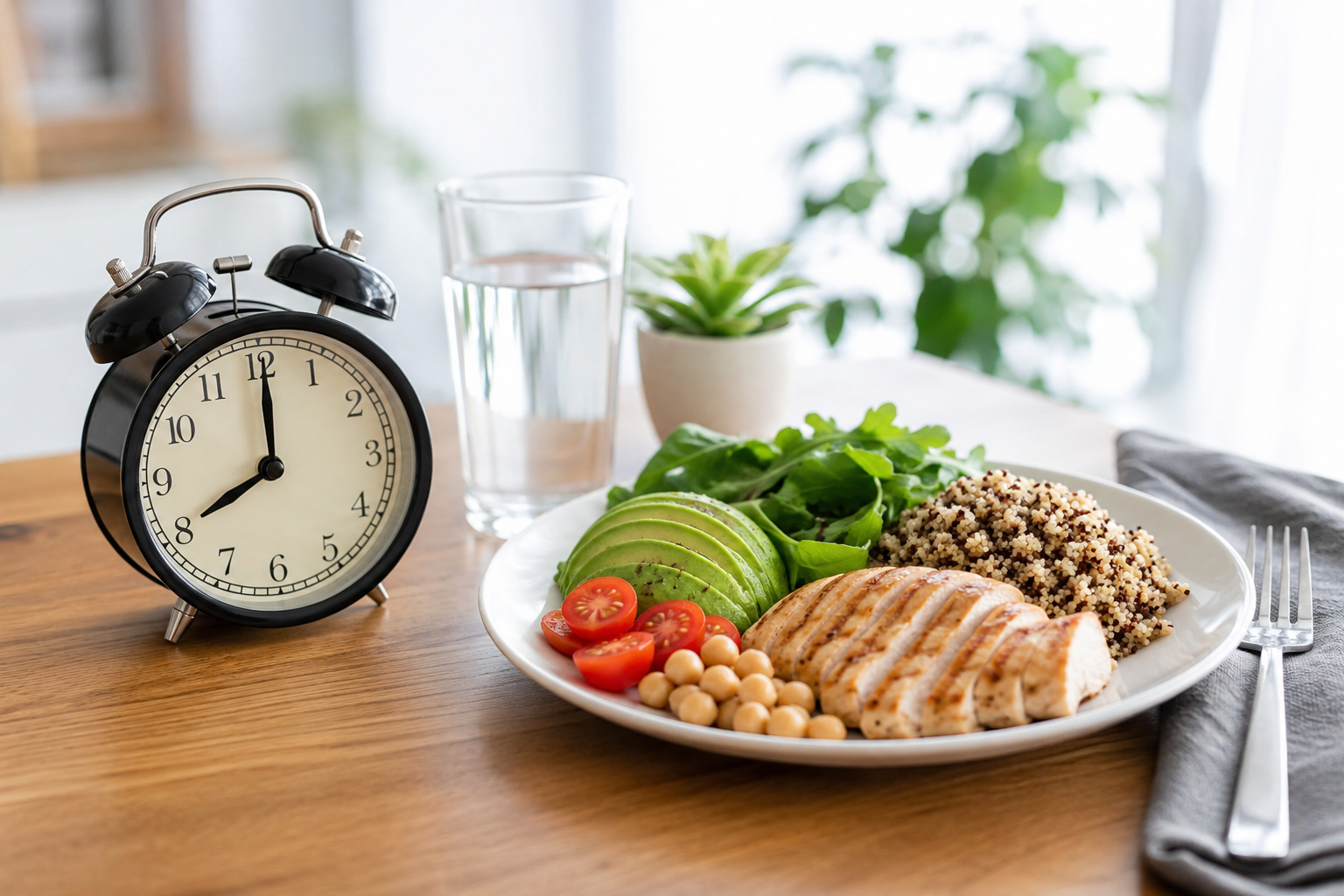
Intermittent Fasting: A Practical Guide for Beginners
Intermittent fasting has become one of the most popular health and nutrition approaches in recent years. Unlike traditional diets that focus mainly on what you eat, intermittent fasting focuses on when you eat. Many people appreciate its simplicity because it doesn't require special foods or complicated meal plans.
If you're curious about intermittent fasting and wondering whether it's right for you, this guide will explain the basics, benefits, common methods, and practical tips to help you get started safely.
What Is Intermittent Fasting?
Intermittent fasting (IF) is an eating pattern that alternates between periods of eating and periods of fasting. During the fasting window, you avoid foods that contain calories, while during the eating window, you consume your meals as usual.
The goal isn't necessarily to eat less, although many people naturally reduce their calorie intake. Instead, intermittent fasting helps create a structured eating schedule that may fit well with modern lifestyles.
It's important to understand that intermittent fasting is not a miracle solution. Healthy food choices, regular exercise, quality sleep, and consistency still play a major role in overall health.
Popular Intermittent Fasting Methods
There are several ways to practice intermittent fasting, and the best method is the one you can maintain comfortably.
1. The 16:8 Method
This is the most common and beginner-friendly approach.
You fast for 16 hours and eat during an 8-hour window. For example:
- Eat between 12 PM and 8 PM.
- Fast from 8 PM until 12 PM the next day.
Many people find this schedule easy because a large portion of the fasting period happens while sleeping.
2. The 14:10 Method
This approach is similar to 16:8 but slightly easier.
You fast for 14 hours and eat during a 10-hour window. It is often recommended for beginners who want a gentler transition.
3. The 5:2 Method
With this method, you eat normally for five days each week and significantly reduce calories on two non-consecutive days.
This approach works for some people but requires more planning and may feel less straightforward than time-restricted eating.
What Can You Consume During the Fast?
One of the most common questions is what breaks a fast.
Generally, during fasting hours you can consume:
- Water
- Sparkling water without sugar
- Black coffee
- Plain tea
- Herbal tea without sweeteners
Drinks containing sugar, milk, cream, or calories usually end the fasting period.
Staying hydrated is extremely important, especially when starting intermittent fasting. Drinking enough water may also help reduce feelings of hunger.
Potential Benefits of Intermittent Fasting
Research on intermittent fasting is ongoing, and results can vary between individuals. However, some people report several potential benefits.
Simpler Eating Routine
Many people enjoy having fewer meals to plan and prepare. A structured eating schedule can make daily routines feel simpler and more organized.
Weight Management Support
Some individuals naturally consume fewer calories when restricting their eating window. Combined with balanced nutrition and regular activity, intermittent fasting may help support weight management goals.
Improved Awareness of Eating Habits
Intermittent fasting encourages people to become more conscious of their hunger patterns, meal timing, and food choices.
Convenience
For busy professionals, students, or parents, skipping breakfast or late-night snacks may simplify daily life and reduce unnecessary eating.
Common Challenges
Intermittent fasting isn't always easy at first.
During the first few days or weeks, some people experience:
- Hunger during fasting hours
- Irritability
- Low energy
- Difficulty concentrating
- Cravings for snacks
These feelings often improve as the body adjusts to a new eating schedule.
It's also common to feel socially challenged when meals with family or friends don't match your fasting window. Flexibility is important, and occasional adjustments are completely normal.
How to Start Intermittent Fasting
Starting gradually is usually the best strategy.
Begin With a Shorter Fast
Instead of jumping immediately into 16 hours of fasting, try:
- 12 hours fasting / 12 hours eating
- Then move to 14:10
- Eventually try 16:8 if it feels comfortable
Small steps are often easier to maintain long term.
Prioritize Nutritious Meals
The eating window isn't an excuse to eat unlimited junk food.
Focus on:
- Lean proteins
- Vegetables
- Fruits
- Whole grains
- Healthy fats
- Fiber-rich foods
Balanced meals help improve fullness and support overall health.
Stay Hydrated
Water is your best friend during fasting.
Keep a water bottle nearby and drink consistently throughout the day. Unsweetened tea or black coffee may also help some people feel more comfortable during fasting hours.
Get Enough Sleep
Poor sleep can increase hunger and cravings.
Aim for consistent, high-quality sleep to make fasting easier and support your general well-being.
Who Should Avoid Intermittent Fasting?
Intermittent fasting is not appropriate for everyone.
You should speak with a healthcare professional before trying it if you:
- Are pregnant or breastfeeding
- Have diabetes or blood sugar disorders
- Have a history of eating disorders
- Take medications that require meal timing
- Have certain medical conditions requiring specialized nutrition
Children and teenagers who are still growing should also follow medical guidance before making significant dietary changes.
Final Thoughts
Intermittent fasting is a flexible eating pattern that many people find practical and sustainable. It doesn't require expensive products or strict meal plans, which is part of its appeal.
The key is to approach it with realistic expectations. Start slowly, listen to your body, eat nutritious foods, and focus on building habits you can maintain over time.
Remember, the most effective health strategy is usually the one that fits naturally into your lifestyle and helps you feel your best.